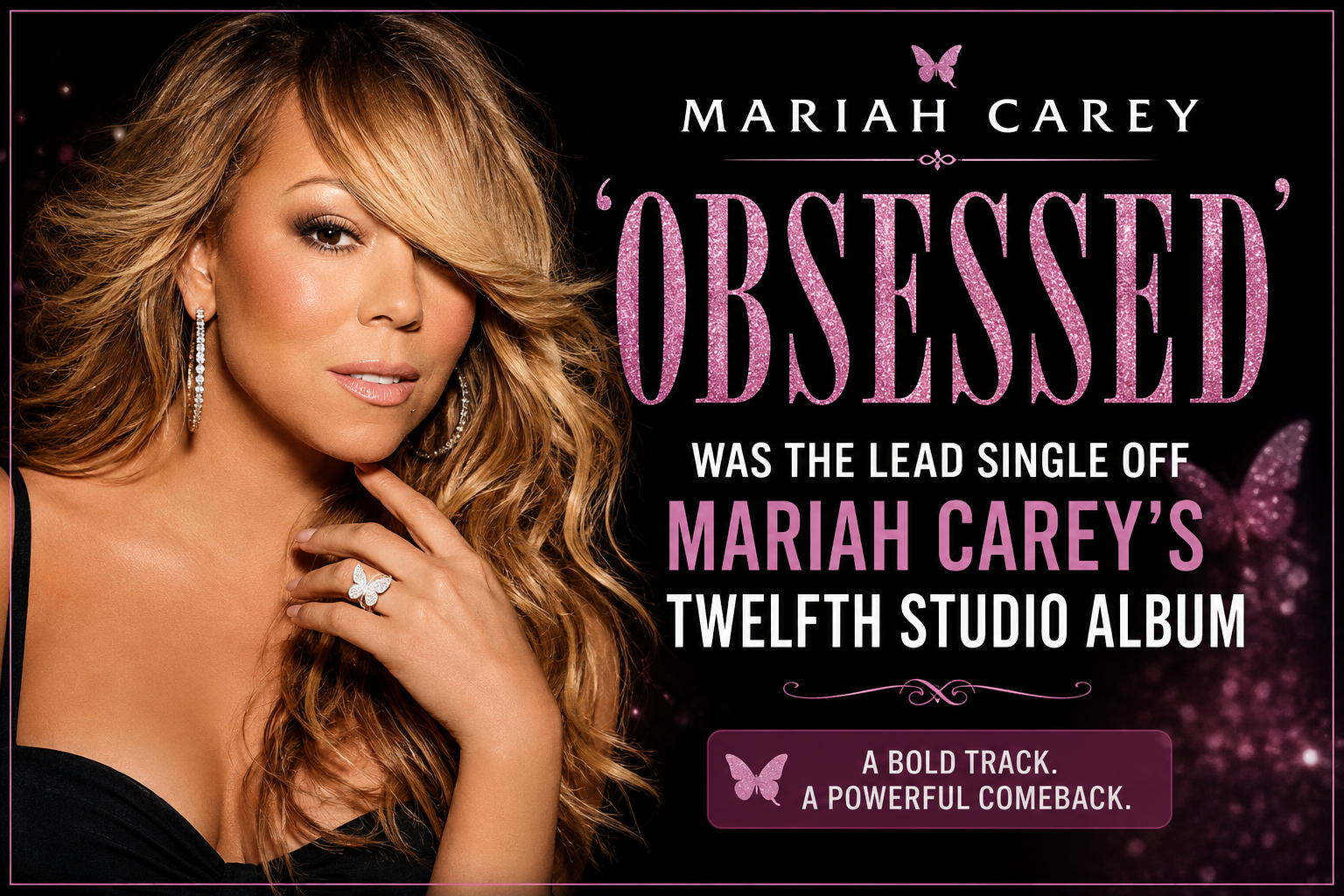
When Mariah Carey released her twelfth studio album Memoirs of an Imperfect Angel in 2009, expectations were already sky-high. Known for her chart-dominating hits and ability to reinvent her sound, Carey needed a lead single that would not only capture attention but also set the tone for the album’s theme. That’s where "Obsessed" came in. The phrase "Obsessed" was the lead single off Mariah Carey's twelfth studio album reflects not just a marketing choice, but a strategic artistic decision that blended controversy, humor, and pop appeal.
“Obsessed” stood out immediately upon release because it addressed public rumors and media speculation surrounding Carey’s personal life. At the time, there were ongoing tabloid narratives involving her and Eminem, which created a perfect storm of curiosity. Instead of ignoring the gossip, Carey leaned into it with a playful yet assertive response. This bold move generated massive buzz, ensuring that the single would receive widespread attention even before listeners fully engaged with the album.
Musically, “Obsessed” was crafted to be radio-friendly and instantly memorable. Produced by The-Dream and Tricky Stewart, the track features a catchy hook, rhythmic beats, and a modern pop-R&B blend that aligned with late-2000s trends. Its accessible sound made it suitable for both mainstream pop audiences and longtime fans, increasing its potential reach. As a lead single, it needed to appeal broadly, and it succeeded by being both contemporary and unmistakably “Mariah.”
Another key reason “Obsessed” was chosen lies in its thematic connection to the album. Memoirs of an Imperfect Angel explores vulnerability, relationships, and personal reflection, but it does so with a mix of confidence and emotional honesty. “Obsessed” introduces this duality perfectly—it’s playful on the surface but rooted in deeper emotional commentary about perception, fame, and personal boundaries. By opening with a track that mixes humor and assertiveness, Carey set the stage for an album that balances introspection with bold self-expression.
The song’s visual presentation also played a major role. The music video, in which Carey appears in multiple personas—including a character widely interpreted as a parody—added another layer of intrigue. It amplified the song’s narrative and turned it into a cultural talking point. In the digital age, where visuals are just as important as audio, this helped the single dominate online discussions and media coverage.
Commercially, “Obsessed” performed well, charting on major music charts worldwide and reinforcing Carey’s enduring relevance in the industry. While it may not have been her highest-charting single, its impact went beyond numbers. It reignited public interest, sparked conversations, and demonstrated her ability to stay culturally relevant decades into her career.
Ultimately, the decision to release “Obsessed” as the lead single was both strategic and creative. It captured attention, aligned with contemporary sounds, and introduced the album’s themes in a memorable way. More importantly, it showcased Mariah Carey’s willingness to engage with her public image on her own terms, proving once again why she remains one of pop music’s most influential figures.